BusinessLife at EdhouseSQA
How We Push the Boundaries of Research
20.8.2025Jan Zatloukal
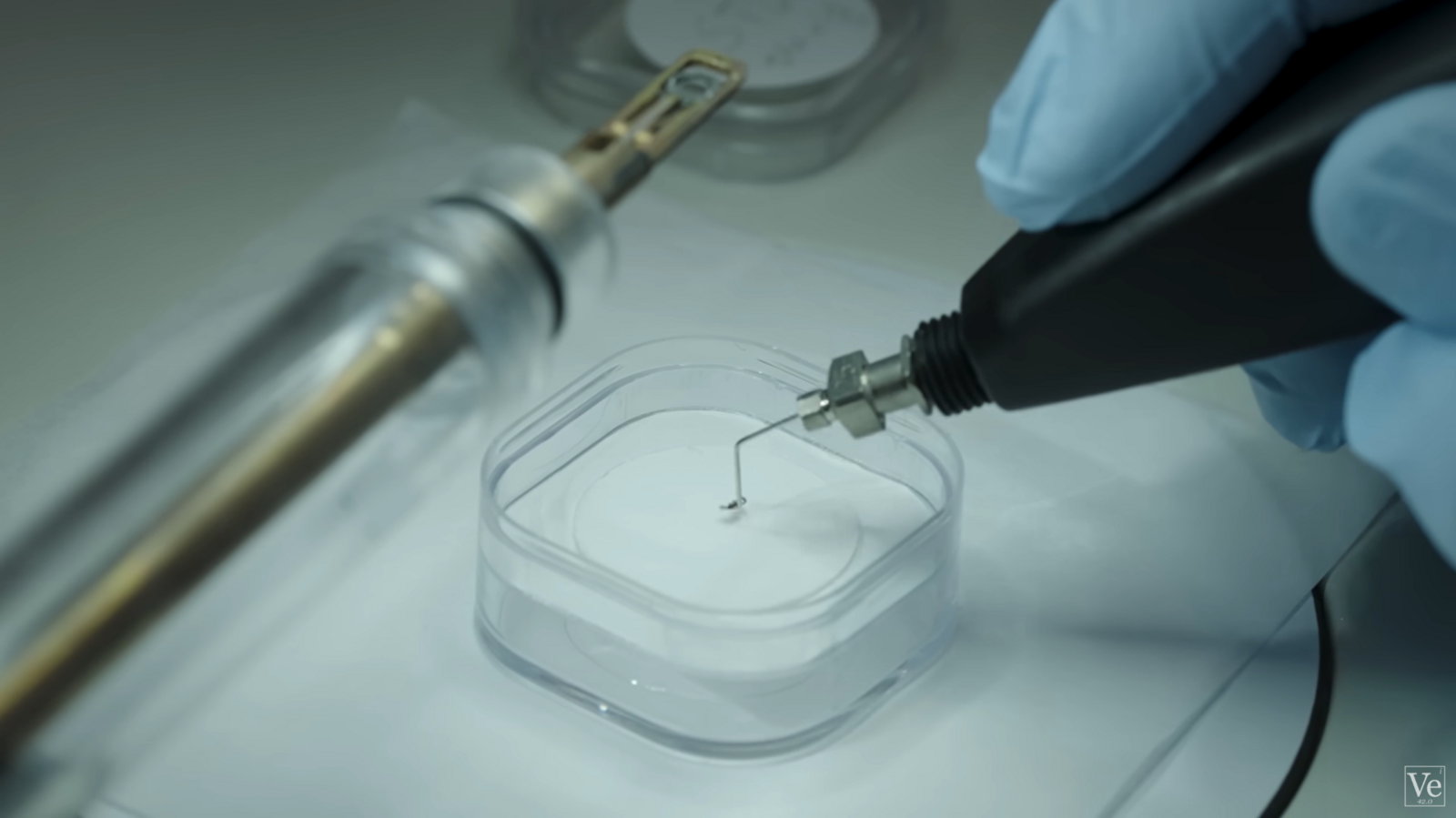
Zoom in so far that you can see atoms? These days, that’s not a problem. Not even for me. Ten years ago, I knew almost nothing about microscopes – only that they could magnify. Today, I’m still no great expert, but taking a picture of the atoms in a specimen is no problem at all. I can even do it during a coffee break.
So how is it that almost anyone can now operate something as complex as an electron microscope?
Over the past decade, microscope software has evolved significantly and become much more user-friendly – and our software has played a part in making it more accessible and efficient to use. For example, we can colour an image by mapping colours to different elements in the sample, create an interactive “aerial” map of the specimen’s surface, or automate complex experiments. All this enables people with little experience to begin conducting research – and, in some cases, to reduce the costs of running a microscope.
You can find plenty of useful videos on YouTube that give you a closer look at what working with a microscope is like.
At Edhouse, developing software for electron microscopes is a major focus. While software is our core domain, it’s not unusual to see a colleague with a control unit connected to an oscilloscope on their desk. Fortunately, our knowledge base on electron microscopes has been growing almost since the company was founded nineteen years ago, so we can draw on a wealth of past experience. We also stay in close contact with our customer, communicating on a daily basis. We may not be scientists, but when we develop software for their work, we need to be able to dive deep into the subject matter.
Making microscopes more accessible to users and clearly improving the efficiency of their work – or, indeed, of any tools that rely on well-designed software – is deeply satisfying. And even if we’re not on the front lines of research, we know our work helps push the boundaries forward.
With only a slight exaggeration, I can say it’s now easier for me to configure a microscope’s optics than to set up a home printer.